
From time to time in online discussions, you might come across opinions claiming that Dandy Horse wheels are products “pieced together from random Chinese components,” and that calling ourselves a manufacturer is an overstatement. Sometimes we even hear that supposedly identical wheels can be bought on popular Asian portals. For many people, the modern, globalized supply chain in the bicycle industry can seem complicated, which often leads to a misunderstanding of the topic. A lack of knowledge, however, doesn’t stop some from writing comments that completely distort reality.
At Dandy Horse, we have always relied on facts and full transparency. That is why we decided to explain where our individual parts come from, how our wheels are made, and why equating them with cheap alternatives is a complete misunderstanding.
The center of advanced carbon fiber processing is currently located in Asia—primarily in China, Taiwan, and Vietnam. Practically all leading bicycle brands in the world, including those we see in the World Tour peloton, outsource the production of their frames and rims exactly there. There is nothing controversial about this. It is the Asian factories that today possess the most advanced know-how, which often exceeds the capabilities of European subcontractors.
As an interesting fact, we can reveal that we once collaborated with a company that made an ambitious attempt to produce carbon rims in Poland. After more than a year of prototyping, however, the project collapsed. The locally produced rims did not meet the standards—they were too heavy or simply yielded to the immense tension forces during lacing and stabilization on our pneumatic press.
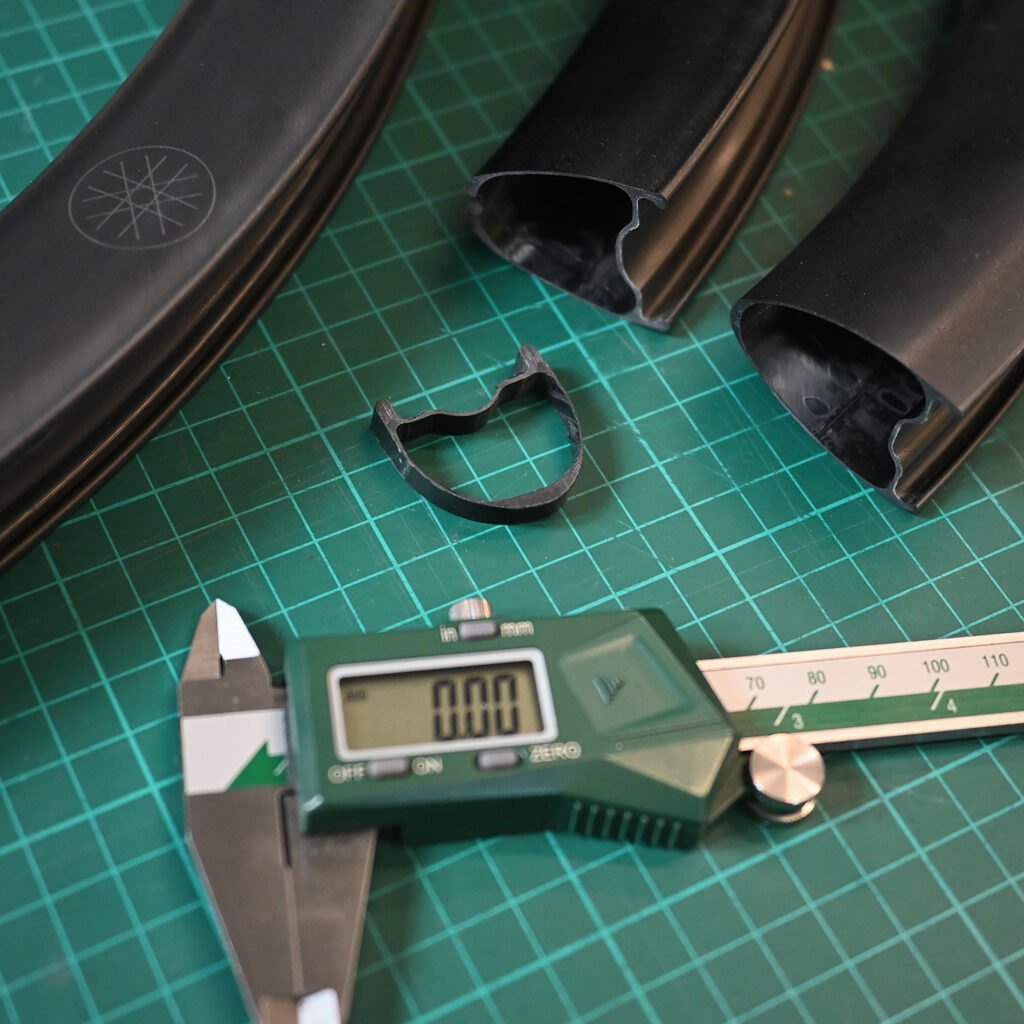
Dandy Horse rims are manufactured strictly according to our design in a factory in China that also supplies brands like Duke, Newmen, and Princeton Carbon Works. So, if someone calls our wheels “Chinese,” they would have to describe the lion’s share of the top cycling equipment on the planet in the exact same way.
What actually divides the market into cheap alternatives and premium-class wheels is the design.
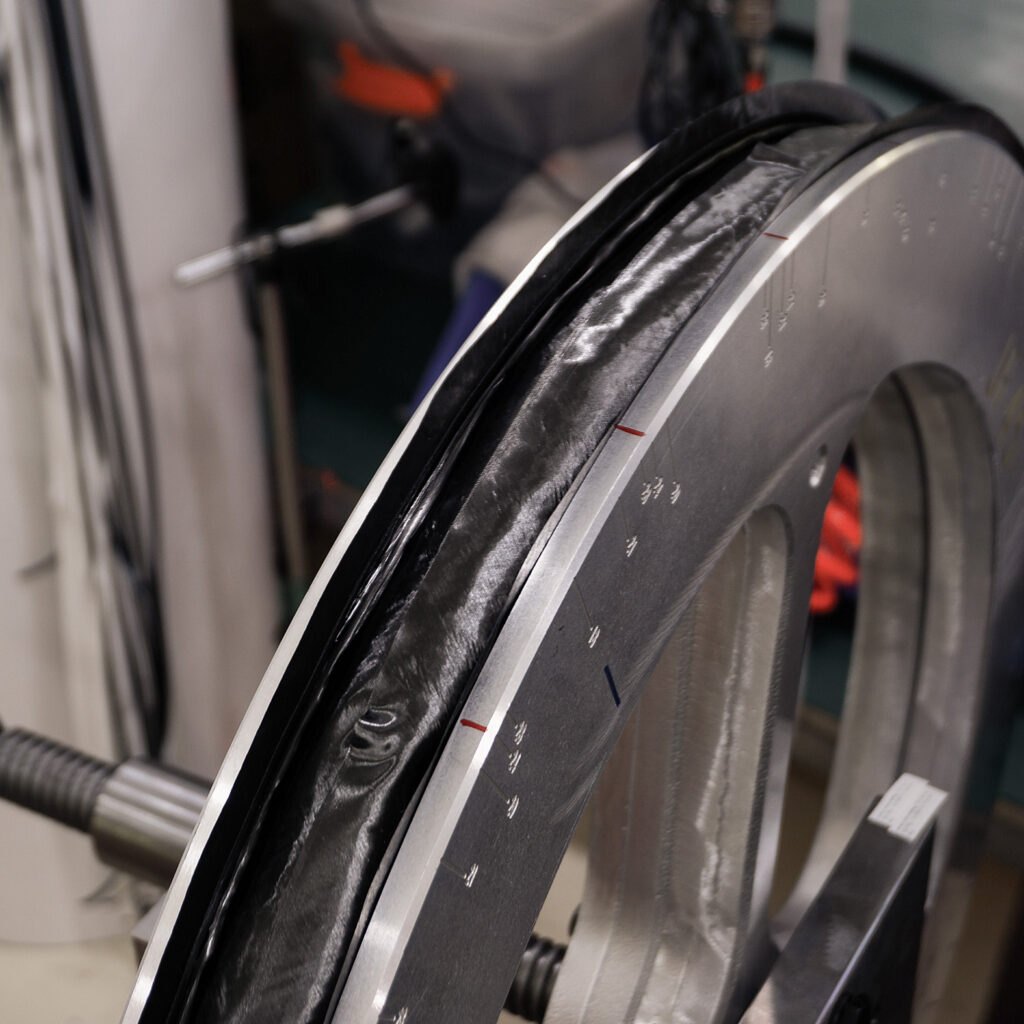
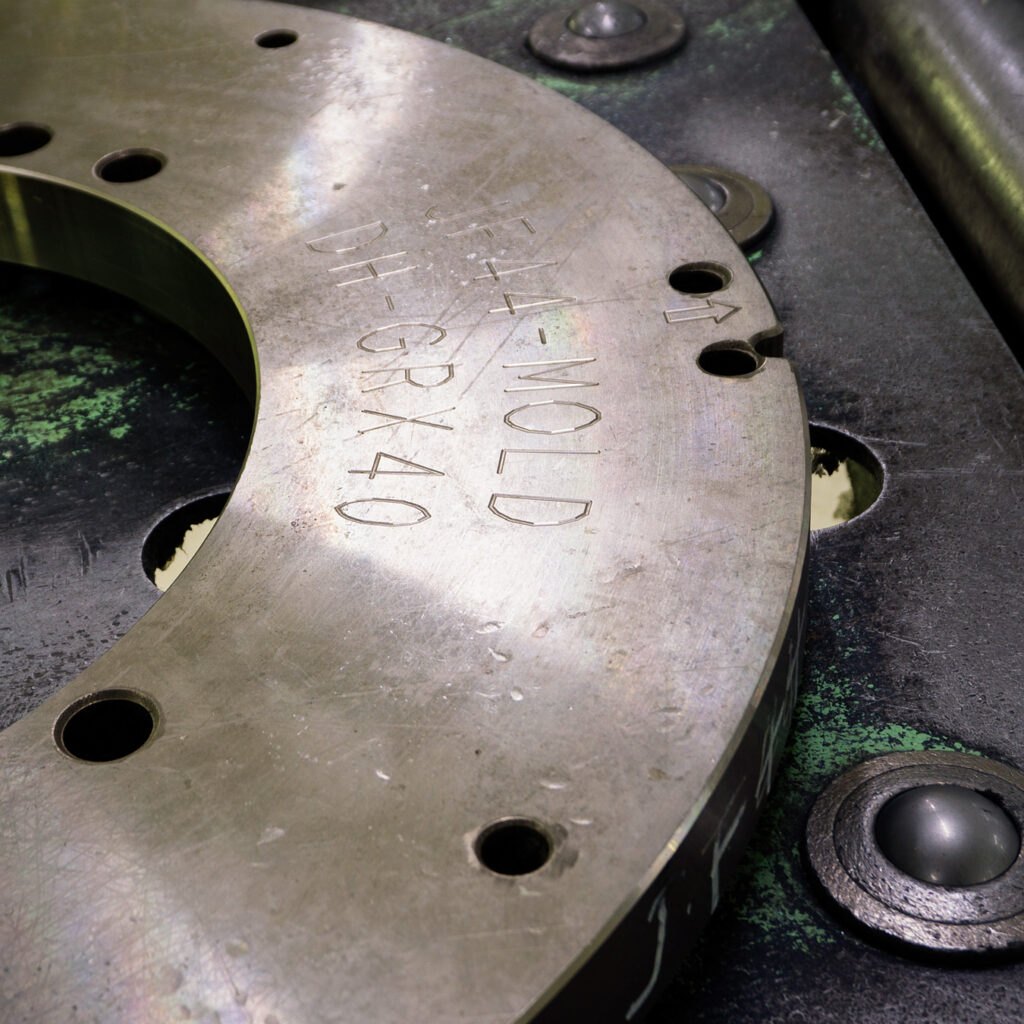
Ready-made frame and rim designs are widely available in the catalogs of Asian factories. Such components are created in so-called open molds, meaning publicly available molds. Many distributors simply choose a finished product from them (a good example is the Carbonda brand, offering proven frames under the customer’s banner), applying their own logo to it. A slightly higher level is commissioning the creation of a mold according to one’s own specifications, which, however, in order to lower production costs, eventually ends up in the factory’s general catalog anyway and becomes available to others.
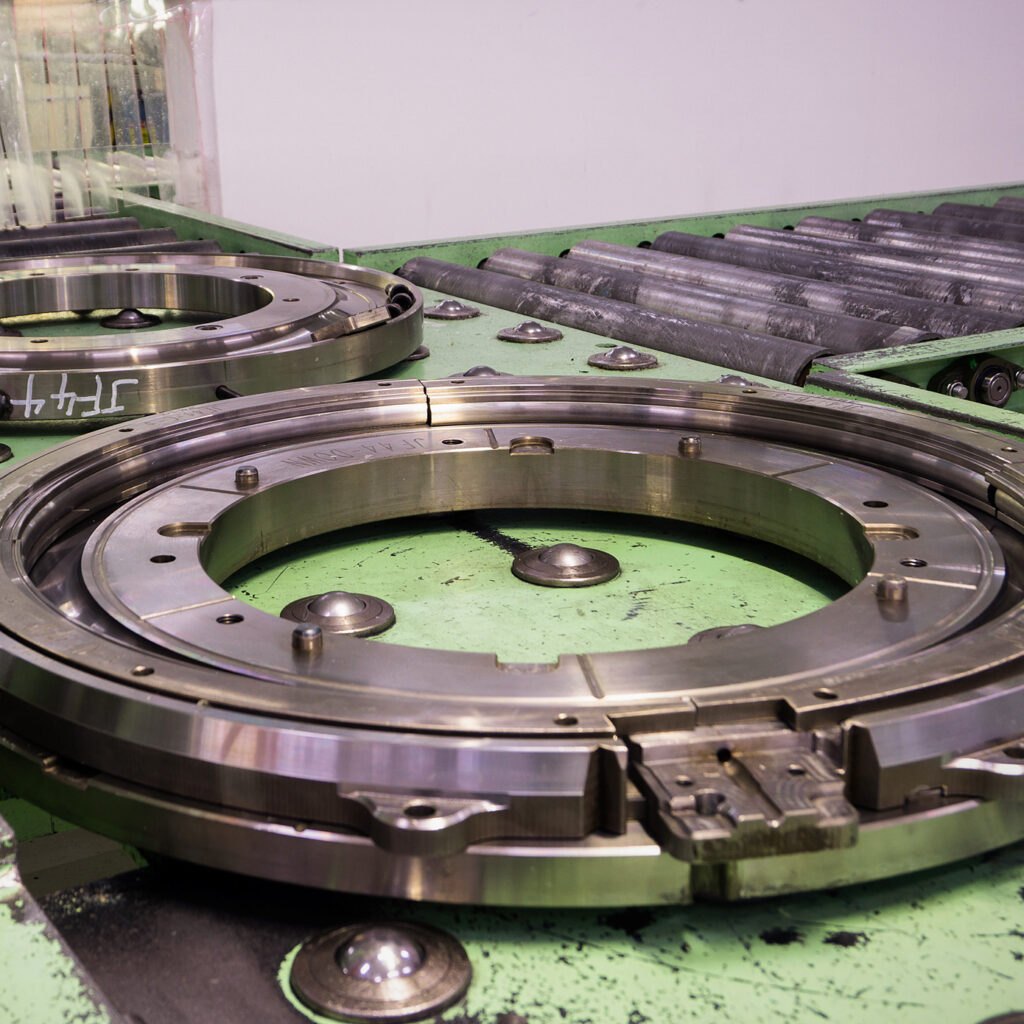
We chose yet another path: we rely on proprietary molds, so-called private molds. What does this mean in practice?
The question of what defines a “Polish” or “European” manufacturer regularly stirs up emotions. However, it’s worth looking at it more broadly: every carbon frame produced in Europe will still be made from imported (usually Japanese) carbon fiber. Every steel frame brazed in Poland is made from foreign tubes, and imported bearings will be pressed into every hub milled locally. Does this mean we don’t have bicycle parts manufacturers in Europe?
Let’s look at an industry giant, considered an icon of quality—the DT Swiss brand. It has a design office in Switzerland, the production of many of its components takes place in Taiwan and Vietnam, but a massive portion of the finished wheels for the European market is built… in Poland, at an assembly plant in Oborniki near Poznań. Does anyone deny DT Swiss the title of a Swiss manufacturer because of this?
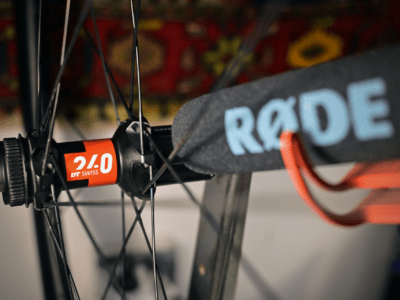
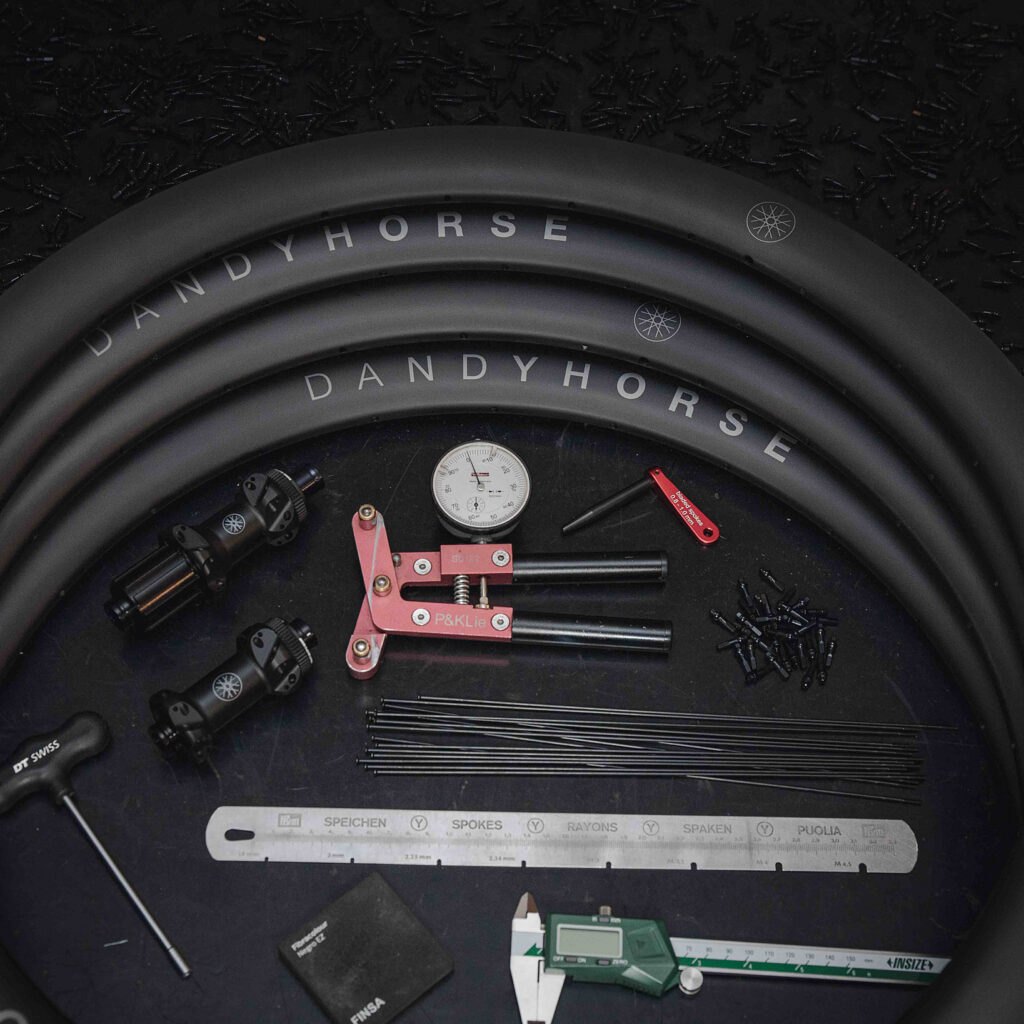
At Dandy Horse, we proceed similarly, combining top-class global components with our know-how:
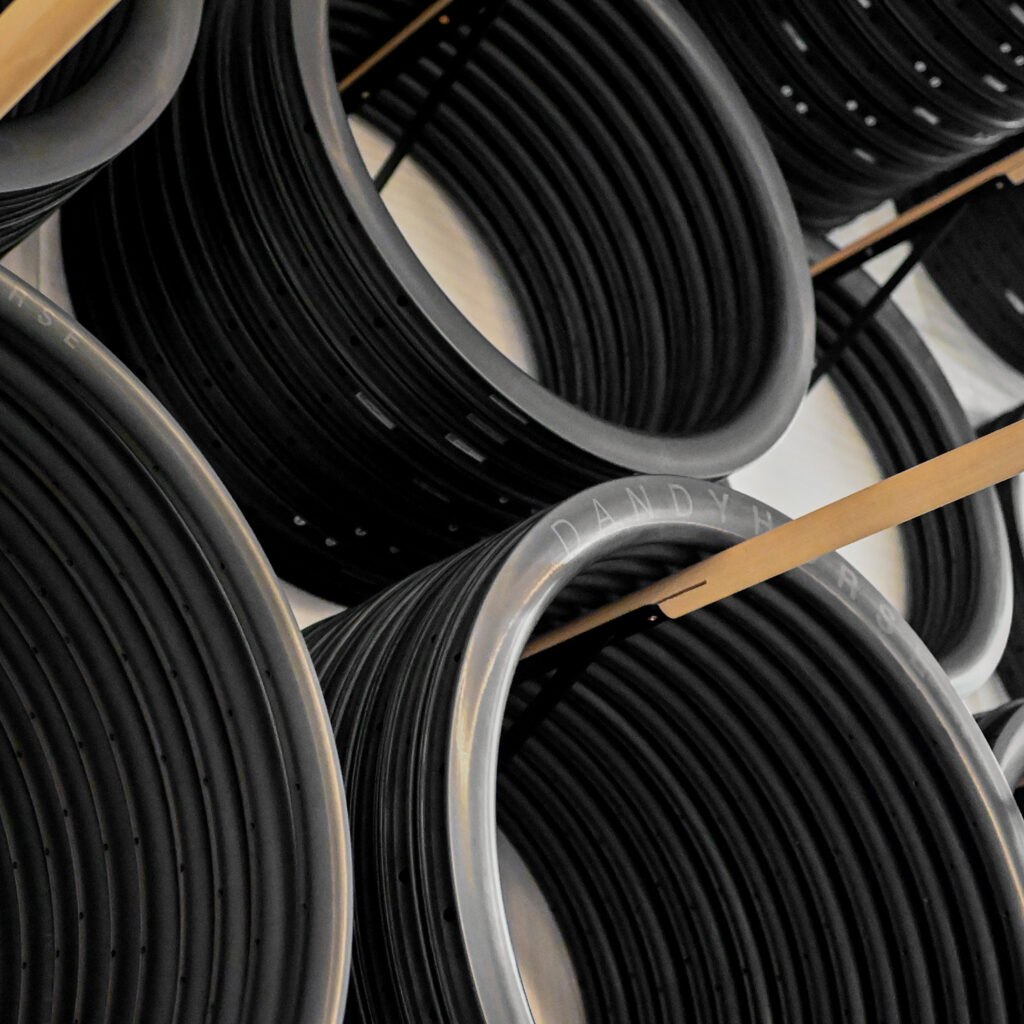
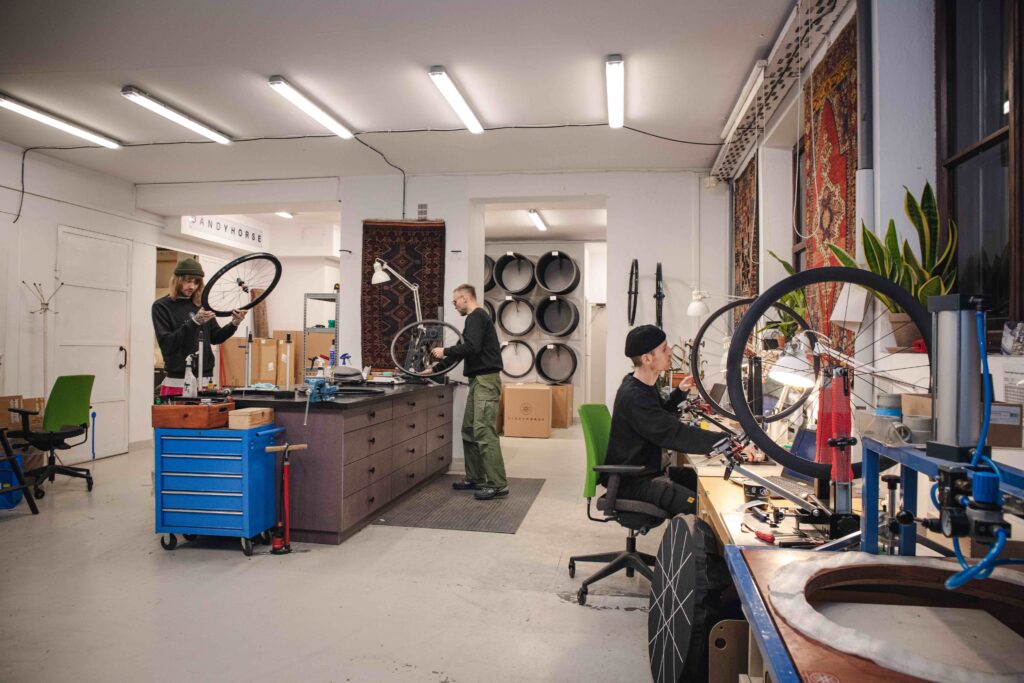
Every set of Dandy Horse wheels is hand-built in our workshop in Warsaw. It is here, on Jordanowska Street, that the most important things take place: careful selection of components, meticulous lacing, attentive truing, multiple spoke stress-relieving, and stabilization. Thanks to this process, our wheels achieve the durability known to their users.
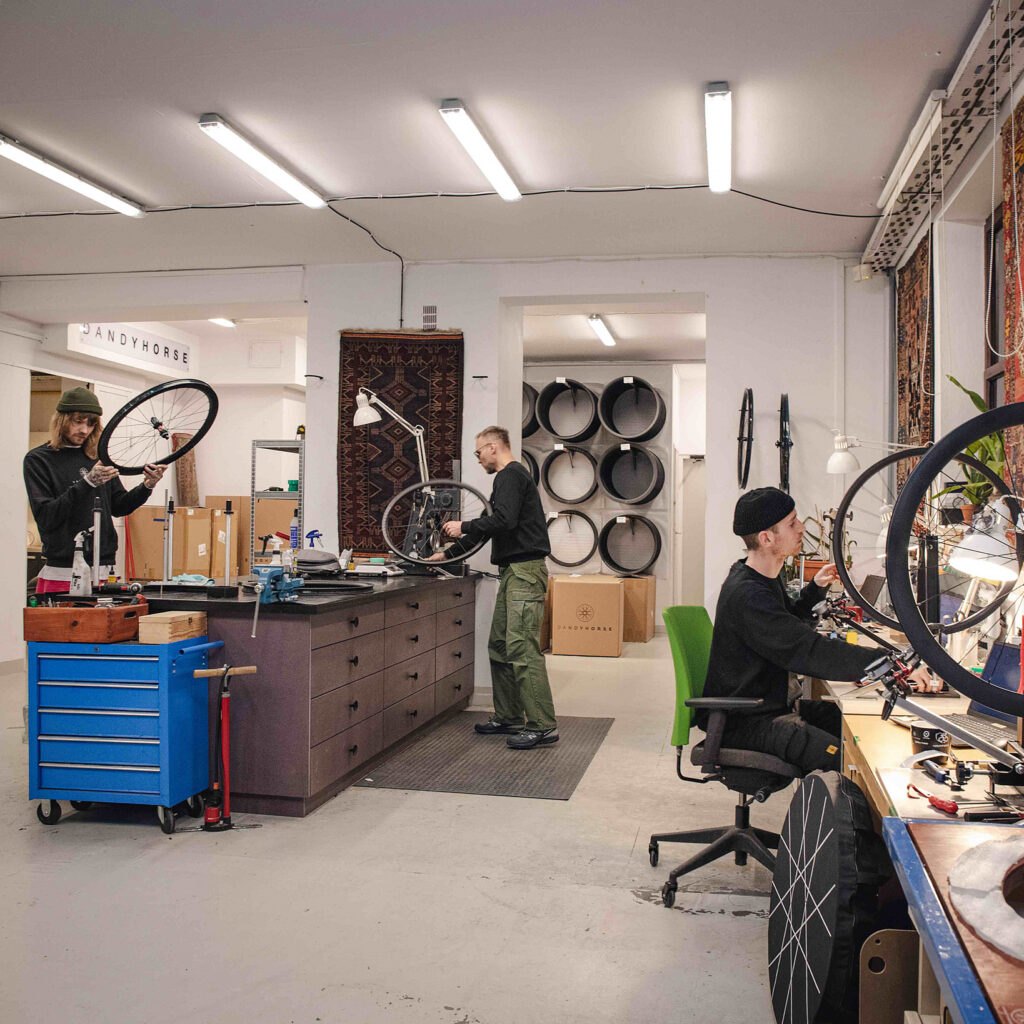
So, is Dandy Horse a Polish manufacturer of bicycle wheels? In our opinion—definitely yes. We offer purchasing advice, provide a lifetime warranty, and a Crash Replacement program, taking full responsibility for the final product. And the difference this makes compared to the so-called “Chinese wheels” is something their users often painfully find out after their first failure.
Share:

Subscribe to our newsletter
We only send what matters: new model launches, technical tips, and huge deals. It’s worth staying in touch.